The world’s most misunderstood trauma condition — finally explained.
WHAT IS CPTSD?
CPTSD isn’t rare,
it’s just rarely recognized.
What is Complex PTSD?
Complex Post-Traumatic Stress Disorder (CPTSD) is a trauma condition that develops after prolonged, repeated, and overwhelming traumatic experiences, especially in situations where a person cannot escape, protect themselves, or find safety.
First proposed by psychiatrist and researcher Dr. Judith Herman, Complex PTSD describes the profound emotional, relational, cognitive, and physical impacts of prolonged trauma.
Unlike PTSD, which is commonly associated with a single traumatic event, CPTSD is most often associated with prolonged or repeated traumatic experiences that become part of a person's daily environment and shape emotional, relational, and physiological functioning over time.
CPTSD is officially recognized in the ICD-11 (World Health Organization), but in the U.S., it is not yet recognized in the DSM-5-TR, which contributes to widespread misdiagnosis and lack of awareness.
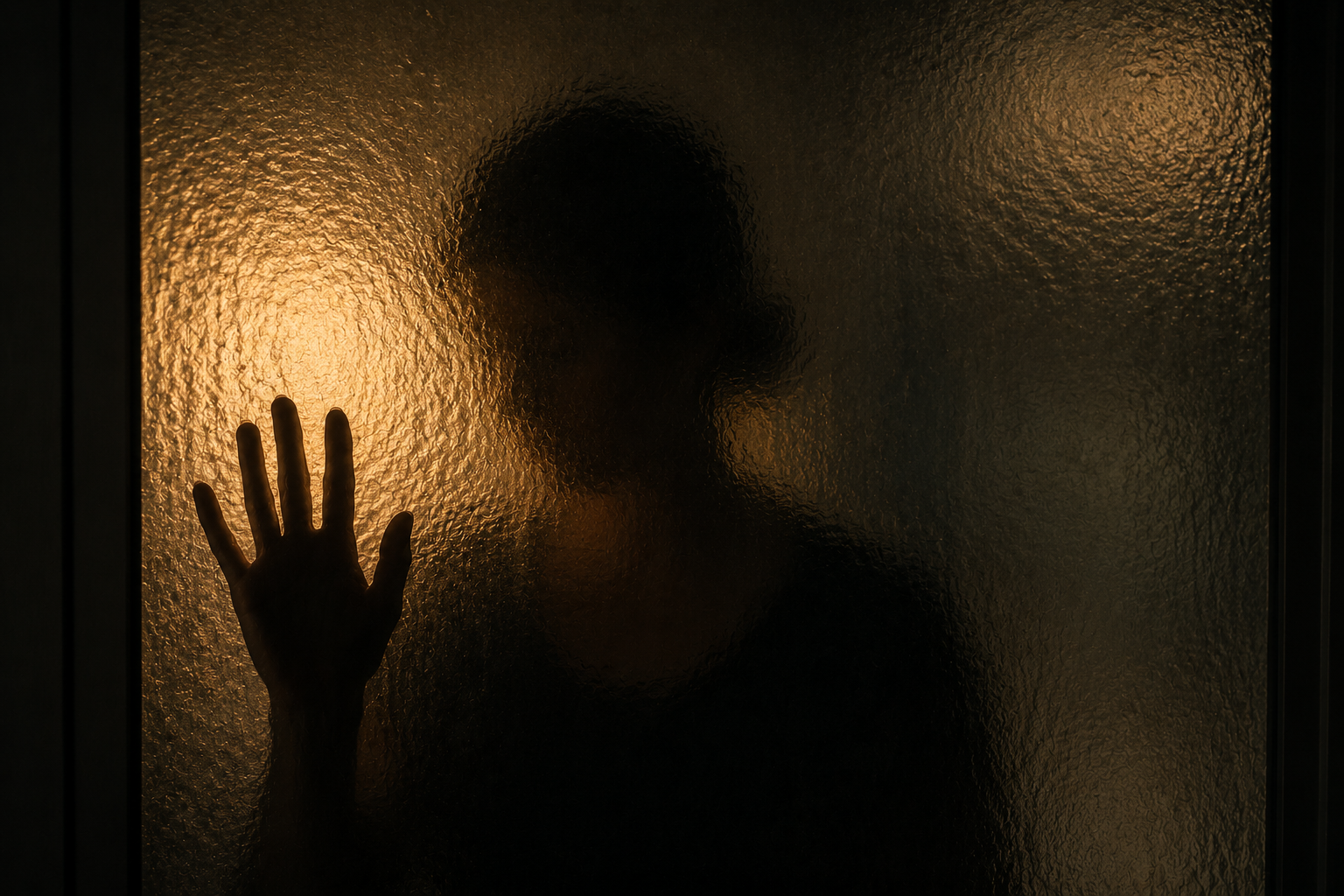
Where CPTSD Comes From
CPTSD develops when the nervous system is forced to survive ongoing threat without the ability to escape, intervene, or receive support. Research suggests CPTSD is most commonly associated with traumatic experiences that are prolonged, repeated, and the victim perceives they cannot escape.
Learn more about types of trauma experiences
Complex PTSD is most commonly associated with traumatic experiences that are:
prolonged or repeated
disrupt a person's sense of safety over time
characterized by significant powerlessness
difficult or impossible to escape (or the victim perceives that)
often (though not always) interpersonal
frequently involving coercion, dependency, or betrayal
These experiences may include:
childhood abuse
childhood neglect
domestic violence
coercive control
human trafficking
torture
hostage situations
prisoner of war experiences
religious trauma + cult abuse
prolonged institutional abuse
other prolonged traumatic experiences
Bottom Line:
Although traumatic experiences vary widely, CPTSD is most commonly associated with prolonged or repeated trauma that overwhelms a person's ability to experience consistent safety, control, and protection over time.
Traumatic Experiences Commonly Associated with CPTSD
Not everyone who experiences these types of trauma develops CPTSD, and trauma affects each person differently. Diagnosis is based on a person's symptoms—not trauma history alone.

CPTSD vs PTSD
Many people ask: “Isn’t CPTSD just worse PTSD?”
No, they are two different trauma conditions.
While PTSD and CPTSD share important similarities, ICD-11 recognizes them as distinct diagnoses with different symptom profiles.
CPTSD (Complex Post Traumatic Stress Disorder)
PTSD symptoms focus on:
Intrusive memories and nightmares
Avoidance
Hyperarousal
Most commonly associated with prolonged or repeated traumatic experiences, particularly those involving ongoing threat, powerlessness, or disrupted safety.
CPTSD includes all PTSD symptoms plus three additional clusters first identified by Judith Herman:
1. Affective Dysregulation
Difficulty regulating emotions, emotional flashbacks, sudden overwhelm, shutdown.
2. Negative Self-Concept
Chronic shame, guilt, feeling “broken,” “unlovable,” or fundamentally flawed.
3. Disturbances in Relationships
Fear of abandonment, distrust, fawning, attachment difficulties, isolation.
These differences reflect how prolonged or repeated traumatic experiences can affect emotional regulation, identity, relationships, and the nervous system over time—not just traumatic memory.
PTSD (Post Traumatic Stress Disorder)
Typically develops after a single traumatic event, such as:
Car accidents
Assault
Natural disasters
Medical emergencies

Accessibility
We are committed to making this website accessible to all visitors. We strive to provide descriptive alternative text for images, use accessible design practices, and continually improve the user experience for people with disabilities and varying access needs.
If you encounter an accessibility barrier or would like to recommend additional accessibility features or accommodations, please contact us at info@thehealingandcptsdfoundation.org. We welcome feedback and are committed to ongoing accessibility improvements.
This Educational Website is an awareness program of The Healing and CPTSD Foundation. EIN: 99-2268743
The Healing and CPTSD Foundation is a 501c3 nonprofit organization dedicated to advancing awareness, education, research, and recognition of Complex PTSD. Our educational resources are informed by current trauma research, clinical literature, lived experience, and ongoing community-based data collection.
We do not provide crisis care, crisis intervention or professional therapeutic services. In the event of a crisis, please contact a crisis hotline, local crisis resource, or your healthcare provider immediately. All participants and members are encouraged to seek and maintain appropriate professional care from licensed mental health and medical providers. Our programs provide community-based peer support and are not a substitute for professional therapy or medical treatment. Participation requires that individuals are medically and mentally stable.
Nothing on this website or any associated The Healing and CPTSD Foundation website or platform, is a replacement for or supersedes the direction of your medical or mental health provider, nor is anything on this or any associated The Healing and CPTSD Foundation website or platform a diagnosis, treatment plan, advice, or care for any medical or mental health illness, condition, or disease.
The content provided is for informational and educational purposes only and is not intended to replace professional guidance from your healthcare providers. The Healing and CPTSD Foundation disclaims all responsibility for actions taken based on information provided on this site or through our programs. The Healing and CPTSD Foundation and its affiliates, officers, directors, employees, volunteers, and agents are not liable for any direct, indirect, incidental, consequential, or punitive damages arising out of your use of, or participation in, our programs and website.
Users are solely responsible for their actions and decisions, and should consult with their healthcare providers before making any changes based on the information provided. Mention of specific products, services, or therapists does not imply endorsement by The Healing and CPTSD Foundation. The content is intended for adults 18 years and older. By using our website and programs, you agree to these terms. Please review our Terms and Conditions /Privacy Policy for more information. We reserve the right to update this disclaimer and encourage periodic review.T he Healing and CPTSD Foundation reserves the right to update this disclaimer at any time. Users are encouraged to review it periodically for any changes.
COMPLEX PTSD